
Dubai World Cup to Proceed Amid Geopolitical Tensions, Global Field Remains Intact
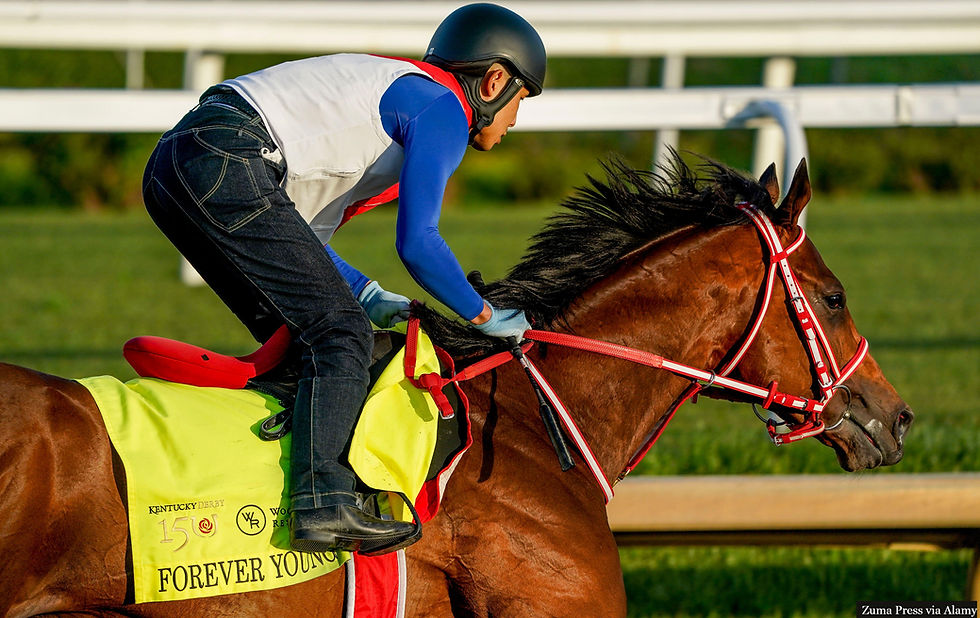
Despite ongoing geopolitical tensions, the Dubai World Cup will proceed with a strong international field, highlighting both the resilience of global racing and the continued rise of contenders such as Japan’s Horse of the Year, Forever Young.
By Aleksandra Spasic, Horse & Industry
Published March 20, 2026
The Dubai World Cup is set to proceed as scheduled next weekend, despite ongoing geopolitical tensions in the region. The decision underscores both the logistical resilience of international racing and the strategic importance of the event within the global racing calendar.
Held annually at Meydan Racecourse, the Dubai World Cup has long served as one of the sport’s most significant international fixtures, attracting elite horses, trainers, and ownership groups from across major racing jurisdictions. With substantial prize money and global visibility, the meeting plays a key role in shaping early-season narratives in international racing.
Maintaining a Global Racing Calendar
The continuation of the event reflects the degree to which top-tier racing operates within a highly coordinated international framework. Horses, staff, and equipment must move across continents on tight schedules, often months in advance. Disruptions to a meeting of this scale would have significant implications not only for participants but also for the broader structure of the racing calendar.
In recent years, racing authorities and organizers have demonstrated an increasing ability to manage such complexities, whether due to logistical challenges, regulatory changes, or external pressures. However, the current situation in the region has already impacted other areas of equestrian sport. The Longines Global Champions Tour show jumping event scheduled to take place in Doha was recently cancelled, highlighting the sensitivity of international competition to evolving conditions and travel considerations.
Against this backdrop, the decision to proceed with the Dubai World Cup suggests that organizers remain confident in their ability to host the event safely, while maintaining international participation, even as other competitions have been forced to withdraw from the calendar.
International Participation Remains Strong
Despite the wider geopolitical backdrop, the field remains notably international. Horses from Europe, the United States, and Asia are set to compete, reinforcing the global nature of the event.
Among the most closely watched contenders is Forever Young, recently named Japan’s Horse of the Year. His participation reflects the continued strength of Japanese racing on the international stage, particularly in dirt racing, where Japanese-trained horses have increasingly become competitive at the highest level.
Japan’s presence at major international meetings has expanded significantly over the past decade, supported by strong domestic breeding programs, strategic campaigning abroad, and investment in training infrastructure. Horses such as Forever Young now arrive at global events not as outsiders, but as serious contenders.
Strategic Importance of the Dubai Meeting
The Dubai World Cup meeting occupies a unique position within the racing calendar. It sits at the intersection of winter and spring campaigns, often serving as both a target in its own right and a stepping stone toward later international objectives.
For trainers and owners, the event offers not only prize money but also an opportunity to test horses against a diverse international field. For racing jurisdictions, it provides a platform to showcase their horses on a global stage.
The ability of the meeting to proceed as planned, even amid external uncertainty, reinforces its status as a stable fixture within an otherwise dynamic global environment.
Racing in an Uncertain Environment
The broader context in which this year’s Dubai World Cup takes place cannot be ignored. Global sporting events increasingly operate within a landscape shaped by geopolitical developments, travel considerations, and shifting risk assessments.
For international racing, which depends heavily on cross-border movement and coordination, this environment presents ongoing challenges. Ensuring the safe transport of horses, maintaining regulatory compliance across jurisdictions, and managing the welfare of both horses and staff are all critical considerations.
The continuation of the Dubai World Cup suggests that, for now, the infrastructure supporting international racing remains sufficiently robust to navigate these complexities.
Looking Ahead
As the industry continues to globalize, events such as the Dubai World Cup highlight both the opportunities and challenges of operating on an international scale. The ability to maintain participation and continuity in the face of external pressures will likely remain an important measure of resilience for the sport.
With a strong international field and leading contenders such as Forever Young set to compete, this year’s meeting will not only deliver on sporting competition but also offer insight into how global racing adapts to an increasingly uncertain world.